Highly versatile bookshelf loudspeaker.
Center speaker designed to work with all Helium models.
Zero compromise desktop loudspeaker.
Reference-quality bookshelf loudspeaker.
Enjoy studio quality sound at home.
Studio quality with added weight of a floorstander.
Breathtaking performance with deep emotional impact.
Center speaker designed to work with all Argon models.
Our floorstanding reference project 25 years in the making.
Extreme-nearfields for studio or on-to-go.
Nearfields to make better decisions faster.
The trusty all-rounder for any application.
Speed and detail in a larger package.
The trusted choice for world’s top engineers.
Sealed full range packedwith punch and power.
Easy to setup and intuitive to adjust.
Elevate your monitors to new heights.
Making most of your studio monitors.
Exceptional level of multichannel amplification.
Color grid 12"
Color grid 15"
Color grid 18"
Wall mounts
Adaptor
Cables
Grammy award-winning producer on embracing ‘happy accidents’ and working smarter, not harder
Owner Pino Pischetola on the democratization of immersive audio and the need for crystal-clear monitoring in a 3D-space
GLAB Studios' engineer Bong-Won Shin on producing deeper and magnificent results with Amphion Two18 and BaseTwo25
Award winning pianist, multi-instrumentalist, and film composer from New Zealand speaking on his current works and his approach to creating vivid soundscapes for film and television.
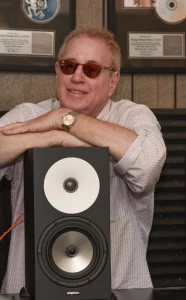
Grammy-nominated producer/engineer on staying in touch with listeners and his ‘lean and mean’ home setup
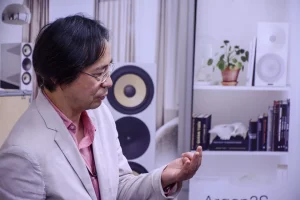
Award-winning Japanese high-end audio craftsman and manufacturer, Shinobu Karaki, and his insights into Amphion, Aurorasound, and the Japanese audiophile market.
Award winning American/Canadian producer and composer, Fred Mollin, on the creation and launch of "Every Star Above" with acclaimed singer Mandy Barnett, and legendary Sammy Nestico.
Songwriter/composer on the transparency and accuracy needed when working with multiple genres in screen music
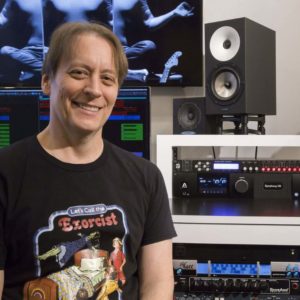
In-demand composer/producer utilizes Amphion One18 monitors as the ‘perfect musical microscope’